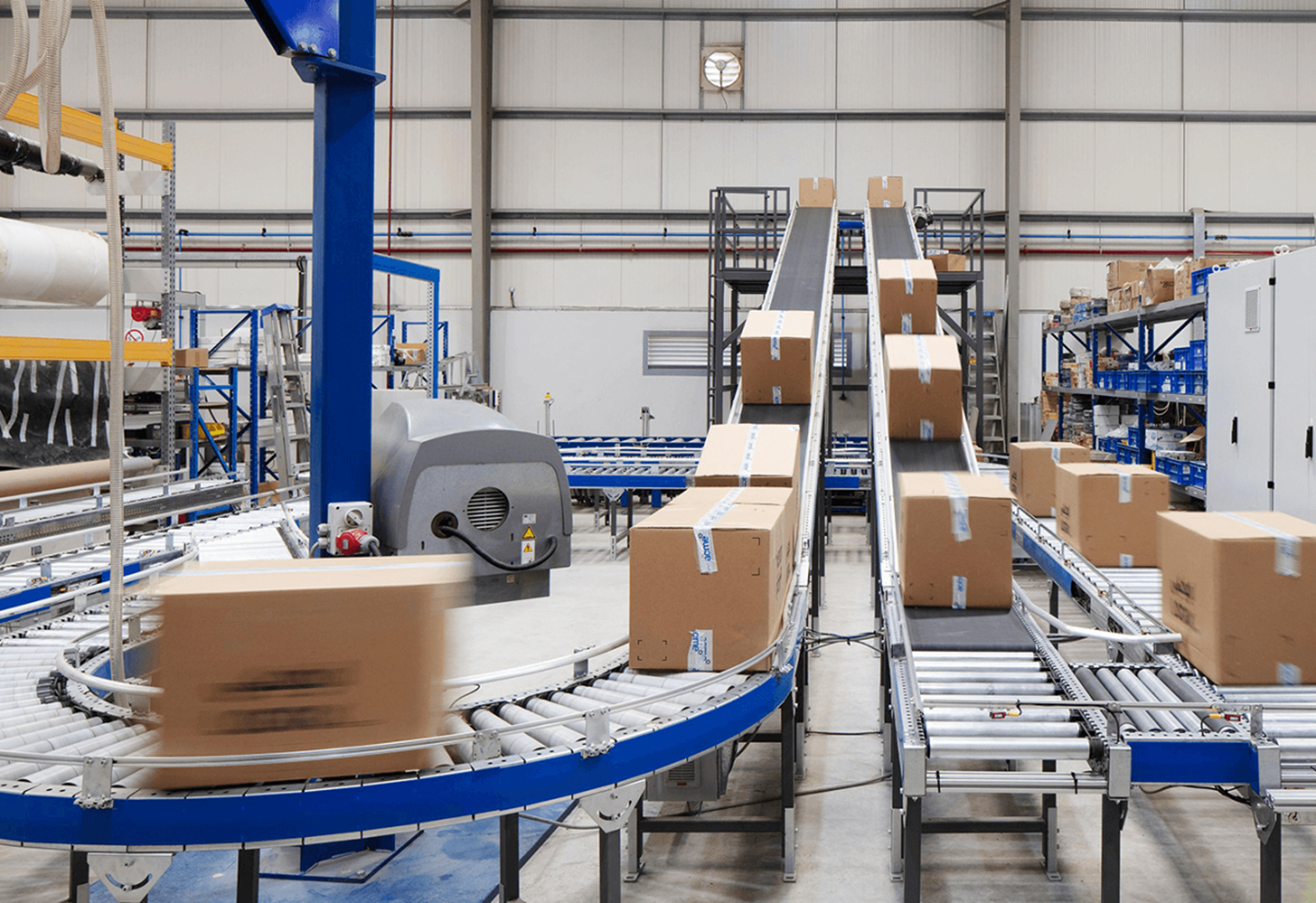
The smart conveyor belt from Softeq uses Arduino for a robust wireless control solution
Arduino® Opta™ WiFi and MKR™ WiFi 1010 enable PLC control with wireless system management.

The client is a technology company that provides smart locker and contactless pickup technology that helps restaurants and retailers streamline drive-thru, curbside, and in-store order fulfillment with faster, more secure customer pickup experiences.
Solution

The Arduino advantage: off-the-shelf and industrial-grade
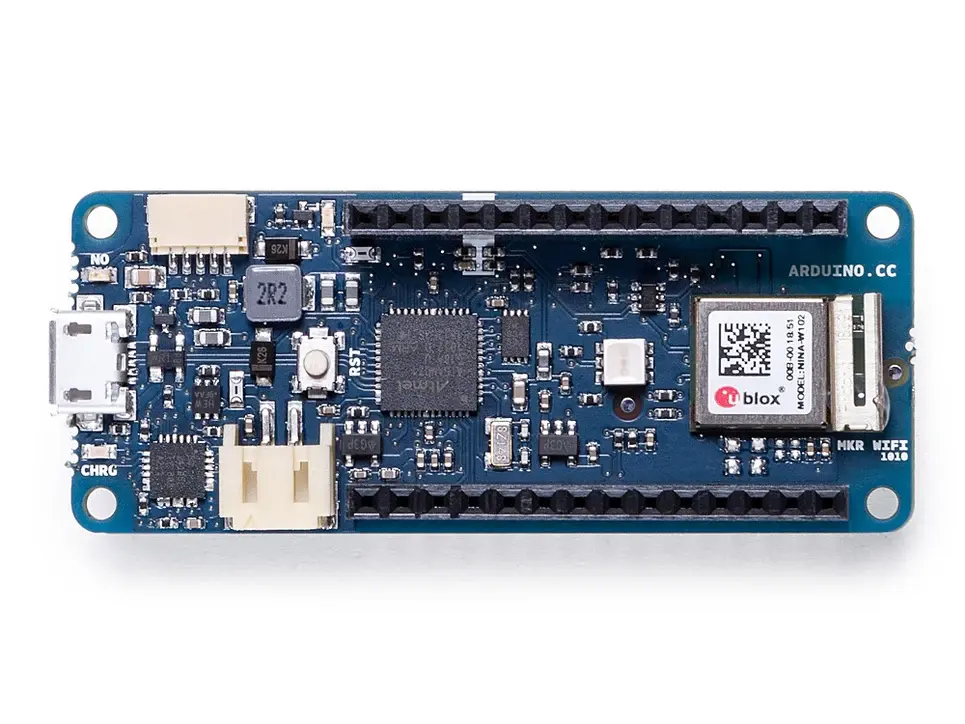
Softeq selected two key Arduino products to deliver the solution: Arduino® Opta™ WiFi and Arduino® MKR™ WiFi 1010. While the Opta WiFi served as the micro PLC (programmable logic controller) for the system, managing sensor inputs (origin, destination, door) and controlling the power output for the conveyor motor, the MKR WiFi 1010 provided wireless remote control and intelligent status updates, enabling the system to be managed without extensive hardwired cabling.
By utilizing these industrial-grade devices, the Softeq team was able to meet the demanding requirements for sensor inputs and motor control outputs. The choice simplified firmware programming and eliminated the need for costly, time-consuming custom hardware development. The resulting hardware controller box is a robust unit that integrates seamlessly with the conveyor system to ensure safe, intelligent, and efficient package handling. For instance, the system ensures the conveyor only runs when conditions are met and automatically returns packages if they linger too long at the destination or after a door cycle.
“The decision to use Arduino was driven by the client’s need to wirelessly control conveyor belts in a large warehouse with multiple conveyor systems. They wanted to avoid running extensive control and sensor cabling to each conveyor. The solution required three sensors (Origin, Destination, and Door open/close) along with motor power control, making off-the-shelf Arduino devices a strong fit. This approach eliminated the need for custom hardware, saving both time and cost. With built-in Bluetooth and Wi-Fi support, and Opta handling sensor inputs and motor outputs, only minimal firmware was needed to manage sensor states and Bluetooth inputs from the MKR 1010 control box.” – Paul Fruia, Senior Advisor with Softeq Development Corp.
A successful partnership for smart logistics
This smart conveyor belt is a prime example of the synergies between Softeq and Arduino in the industrial IoT space – following the previous successful collaboration for a non-invasive glucose monitoring prototype. Softeq’s client expressed strong satisfaction with the delivered controller box and is already preparing specifications for extending the solution to new applications.
Industrial innovation is no longer reserved for companies with massive R&D budgets: accessible and production-ready industrial hardware makes smart logistics and automation easier and more accessible for everyone.
Driving smarter, more accessible industrial automation
This project demonstrates how Softeq and Arduino together enable practical, scalable innovation in industrial IoT. By leveraging reliable, off-the-shelf hardware like the Opta WiFi and MKR WiFi 1010, the team delivered a flexible and cost-effective solution that meets real-world operational demands without the burden of custom development. The client’s positive response and plans for future expansion underscore the system’s value and adaptability across additional use cases.
As warehouses and logistics operations continue to evolve, solutions like this show that advanced automation doesn’t have to come with prohibitive complexity or cost. With production-ready platforms and smart integration, companies can modernize their infrastructure faster—unlocking safer, more efficient, and more intelligent operations at scale.
Looking for the Right Technology Partner?
Explore exactly how we manage to ensure alignment with your ultimate project goals Learn more
.png)