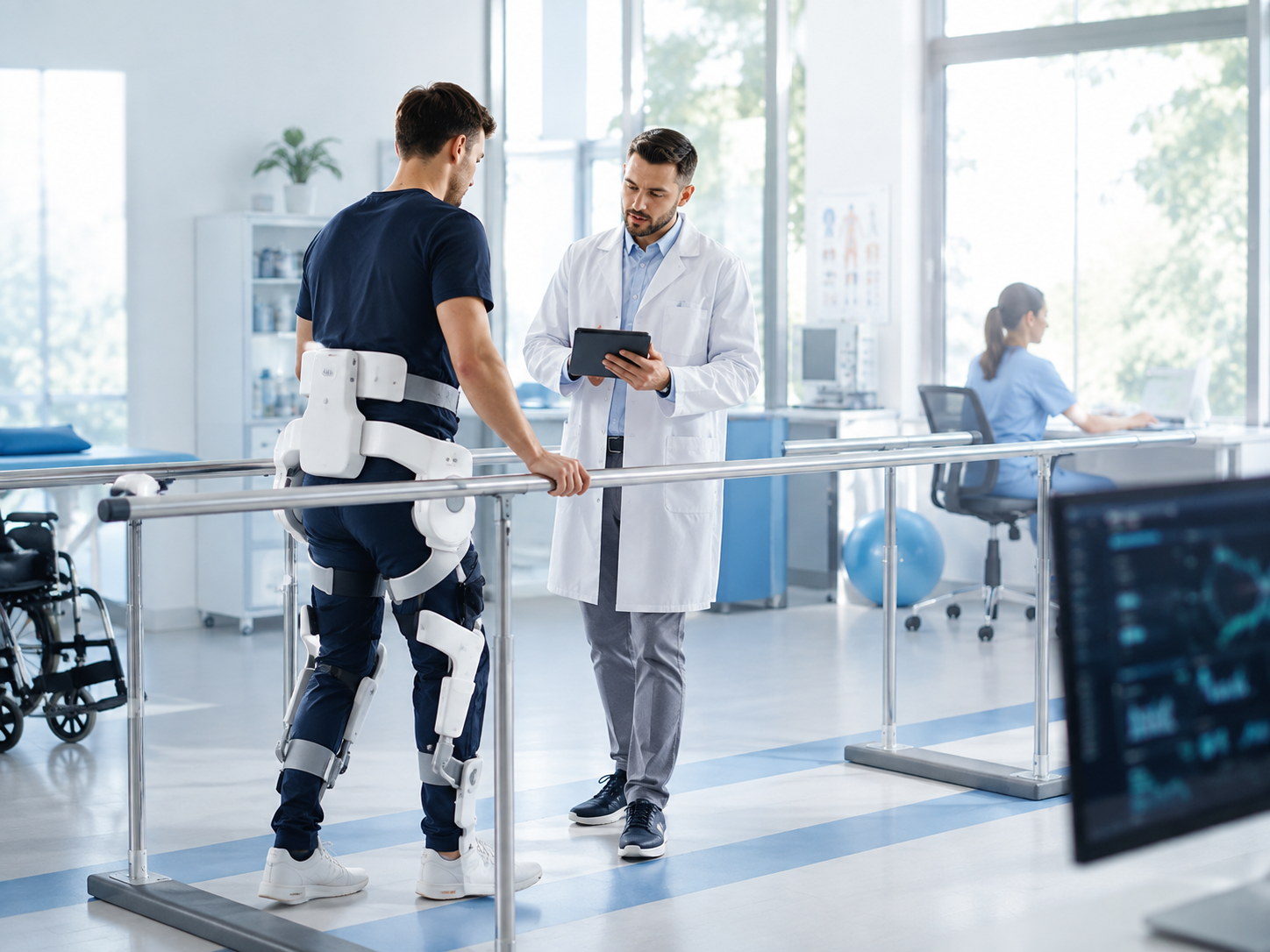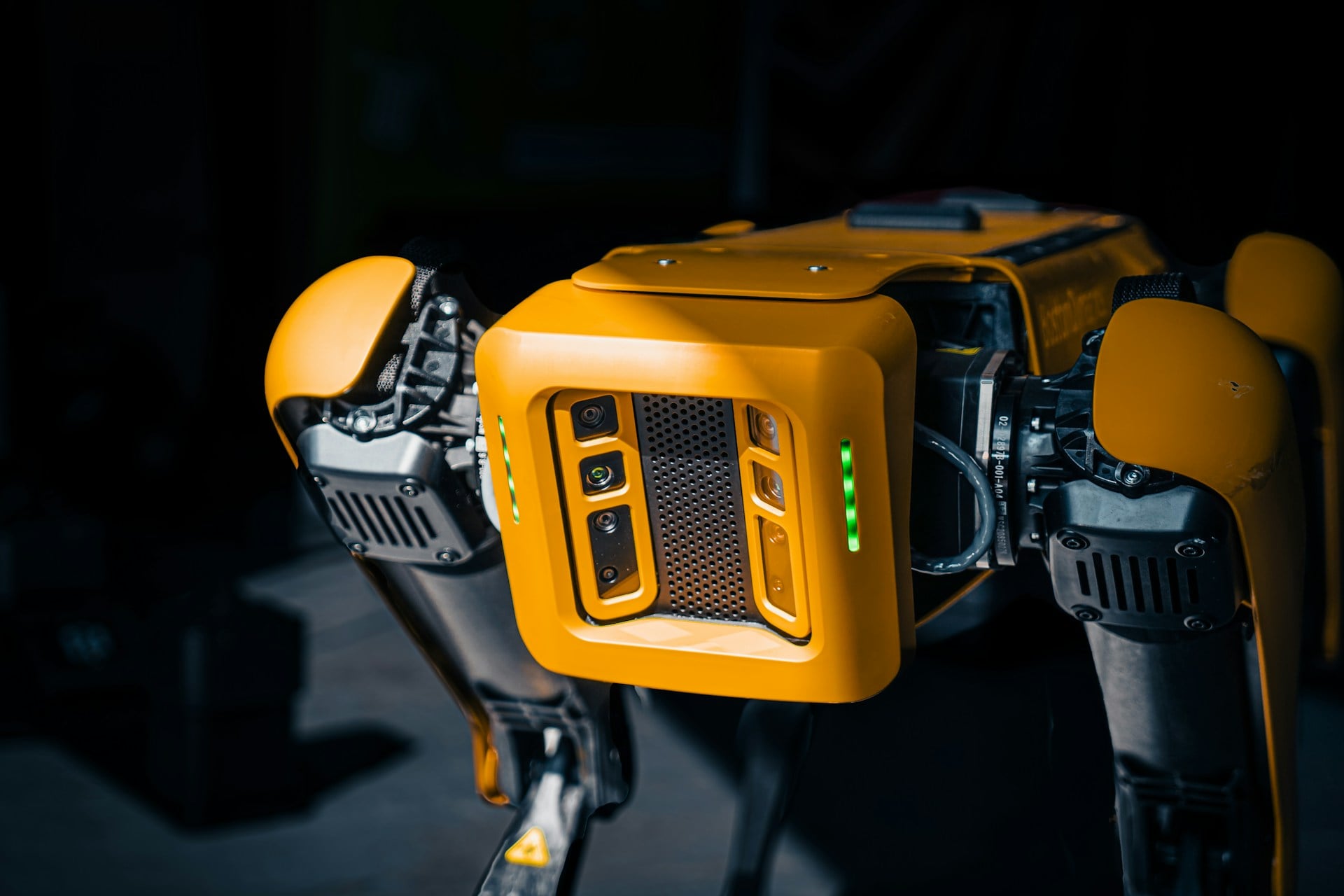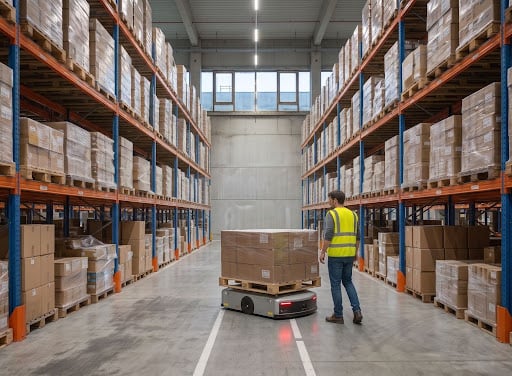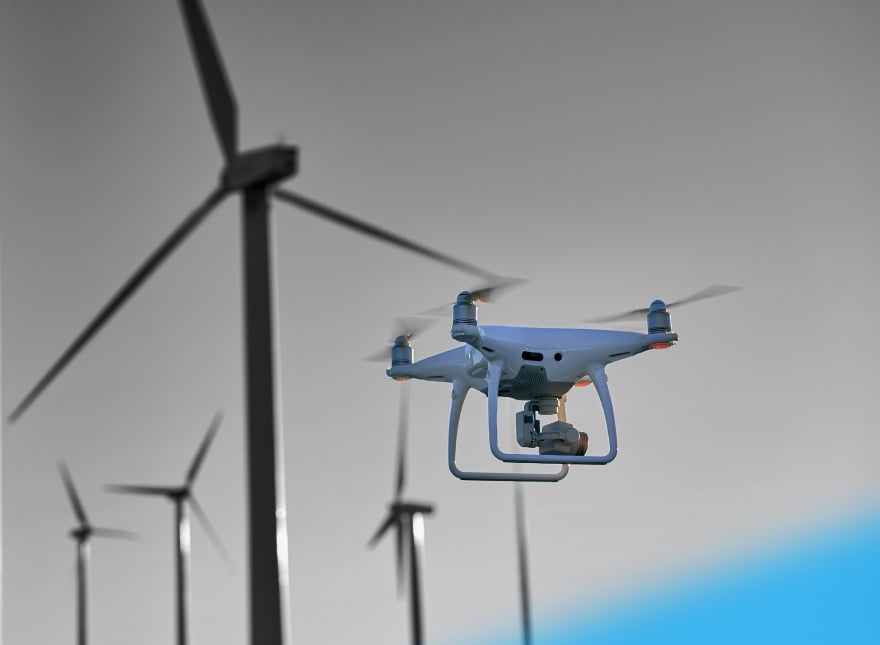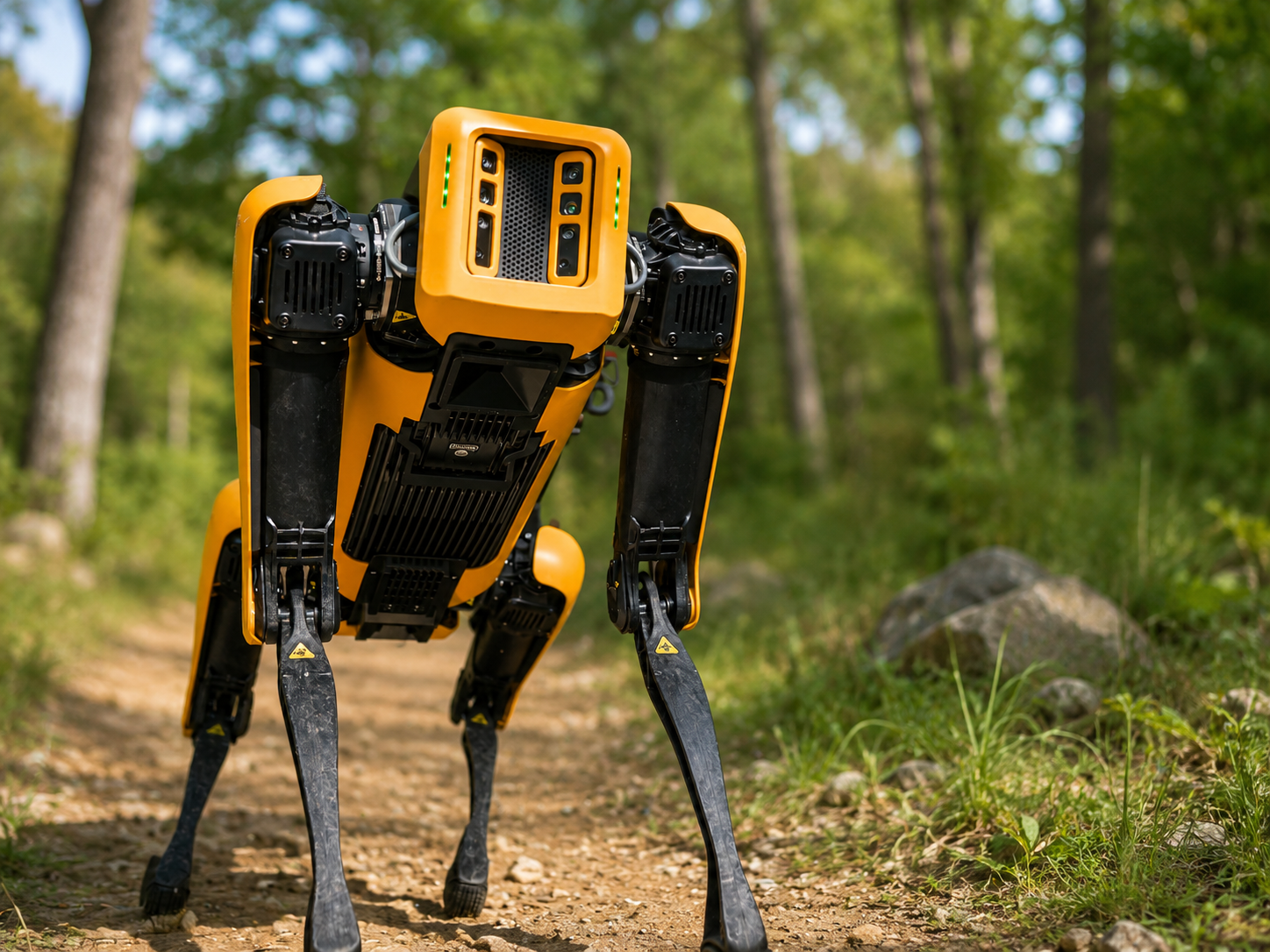

Physical AI refers to AI systems that perceive, decide, and act in the real world rather than operating only in software or the digital world. Agentic AI and generative AI processes text prompts or tasks and return text, digital images, or other digital outcomes. A physical AI system can move a robotic arm, navigate a factory floor, steer a vehicle, or control an industrial actuator. Perception, reasoning, and action all happen in the real world, with real consequences, in real time.
The system needs to know where it is, what is around it, how the environment is changing, and how objects will behave when pushed, dropped, grasped, or moved. The output is not a response, but an action taken on the physical world, after which the world is in a different state and the whole thing starts again.
That distinction shapes everything about how these systems are built.
Traditional industrial automation executes predefined sequences under controlled conditions. A robotic arm welds at a specific point on a specific chassis because the chassis is always in the same position. Introduce variation (a misaligned part, a changed fixture) and the system fails.
Physical AI is built for environments that are less controlled and less predictable. The system is expected to adapt when the real world differs from what was expected, deciding what to do next based on input from sensor data rather than executing a fixed program.
Three things make physical AI engineering difficult in ways that have no equivalent in language model development.
Consider an optical inspection system on a production line. It makes a marginal call on a borderline defect and shifts its focus to a part of the image the training set covered less thoroughly. With less to draw on, its next decision is less certain. It shifts again. Within a few frames the system is examining parts of the image it has barely encountered before, and its accuracy has deteriorated. The model passed every pre-deployment test. But those tests could not surface this failure because it only appears once the system's own decisions start controlling what it looks at next.
For software-only AI systems, the primary failure surface is the model. Physical AI adds a longer list of ways the system can fail: actuators wear out, cameras get dirty or obstructed, calibration drifts, batteries sag under load, sensors age, and mechanical tolerances shift. A system fully validated at deployment may be operating outside its original assumptions six months later, without any clear signal that it has done so.
For example, take an autonomous mobile robot validated for a specific warehouse layout. After months of operation, encoder drift causes its odometry to read slightly off. The model has no way to detect this; from its perspective, nothing has failed. But its positional estimate is now consistently wrong by a few centimeters, and in a tight corridor shared with human workers, that margin matters. The failure is not in the model weights. It is in the gap between the physical system and the assumptions the model was built on.
Safety in physical AI is a function of sensing, compute, control software, real-time behavior, hardware, mechanics, diagnostics, redundancy, and fault handling working together. A model that performs correctly in isolation is not the end of the question. The question is whether the complete system behaves correctly and fails safely when something outside the model goes wrong.
Building Physical AI systems is a system-engineering effort, not a model-deployment effort. It spans sensing, heterogeneous compute, real-time software, machine learning, decision logic, and physical control. Designing those layers together is what makes sensor data convert into actions that are predictable and fast enough to matter.
Teams that approach physical AI as a software problem typically encounter the hard constraints late: latency violations, safety failures, calibration drift, compounding error in production. Getting the architecture right from the start (mapping the right work to the right hardware block, building deterministic decision logic above the model, accounting for the complete system failure surface) avoids the expensive fixes that come at integration.
We work with teams across the full physical AI stack, from embedded firmware, hardware design, and real-time control software to on-device model optimization and deployment. If you're scoping a physical AI project or running into the constraints described here, let’s connect.